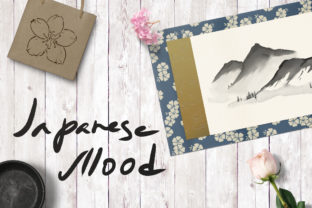
Japanese Mood Illustrations: A Versatile Graphic Design Asset for Crafters
If you're a crafter, Cricut or Silhouette user, handmade product designer, or Etsy seller, finding the right graphic design asset can make all the difference in your creative workflow. When I first opened Japanese Mood, I was immediately drawn to its soft, expressive visuals and the sense of calm it brought to my screen. This illustration set has a distinct visual personality that feels both elegant and approachable — perfect for adding subtle charm to handmade goods.
The Visual Vibe of Japanese Mood
Japanese Mood is not just another clipart collection. It’s a cohesive set of illustrations that evoke a quiet, refined aesthetic. The artwork suggests a style rooted in traditional Japanese culture but adapted with modern simplicity and accessibility. From cherry blossoms and koi fish to serene landscapes and delicate calligraphy accents, this design feels feminine, cozy, and slightly whimsical. It's the kind of graphic that speaks to buyers who appreciate mindfulness, nature-inspired themes, and minimalist elegance.
Who Will Love Japanese Mood?
- Etsy shoppers looking for unique, handcrafted products with a calming vibe
- Customers who enjoy seasonal items like springtime greeting cards or autumn-themed mugs
- Fans of small-batch handmade goods that feel personal and thoughtfully designed
- Creative entrepreneurs building a brand around wellness, cultural appreciation, or lifestyle aesthetics
Real-World Applications for Handmade Products
I’ve used Japanese Mood across several projects recently, from printable planner stickers to custom tumbler wraps for an upcoming craft fair. Here are some of the ways it has performed well:
- Cricut Project: The SVG files worked beautifully on cardstock and vinyl for creating layered gift tags and decorative paper crafts. The lines are clean enough for precision cutting without being overly intricate.
- Sticker Design: On glossy sticker paper, the PNGs printed clearly and adhered well. The transparency layer allowed me to place them over textured surfaces without losing detail.
- T-Shirt Design: For a small order of women’s tees, I paired the main illustration with a soft serif font. The result was a wearable piece of art that felt both stylish and comforting.
- Mug Design: I tested it on white ceramic mugs using sublimation ink. The resolution was sufficient, but I recommend checking the file size before finalizing any commercial print-on-demand project.
- Printable Wall Art: The PNG layouts provided excellent clarity when printed at home. I even resized one for an Instagram post mockup and got great feedback from followers.
- Gift Tags & Packaging: The smaller illustrations were ideal for embellishing thank-you cards and wrapping paper, giving each item a personal touch that stands out at local markets.
Where Japanese Mood Shines Brightest
Here are the top scenarios where Japanese Mood really shines as a design asset:
- Large Cut Files: The illustrations work exceptionally well when cut on larger materials like canvas, wood, or fabric. Their flowing shapes add visual interest without overwhelming the space.
- Clean Printable Layouts: Whether you're designing digital planners or printable calendars, these assets fit neatly into structured formats and maintain their integrity at various sizes.
- Seasonal Craft Bundles: With motifs like lanterns, snowflakes, and sakura blossoms, it’s a natural fit for spring, summer, fall, and winter collections. Just pair it with the right fonts and colors for the season!
- Decorative Accents: Use it as a background pattern, border element, or central focal point in your designs. It adds a touch of sophistication to anything from tote bags to scrapbooking kits.
- Product Mockups: The PNG layers let you easily test how the design looks on different products before listing it on your Etsy shop or creative marketplace.
When to Proceed with Caution
While Japanese Mood is a beautiful asset, there are certain areas where it might require tweaking or extra attention:
- Very Small Cutting Details: Some elements have fine linework that may not translate well to tiny vinyl cuts or laser engraving. Always preview the design at scale before committing to production.
- Thin Lines or Crowded Compositions: If you’re planning to use multiple elements together, be mindful of overlapping details that could become confusing or lose definition when scaled down.
- Low-Contrast Color Schemes: The soft palette works best on neutral or pastel backgrounds. Avoid placing it on busy prints unless you’re ready to adjust contrast or color balance.
- Layered Vinyl Projects: Because some parts are more intricate than others, consider simplifying the layout if you plan to cut each layer separately. This will help avoid registration issues.
- Small Sticker Sizes: The smallest illustrations may need to be simplified further to ensure they remain legible and functional as stickers.
Pro Tips for Using Japanese Mood in Your Business
Before integrating Japanese Mood into your handmade business lineup, here are a few practical steps I follow:
- Test the file on your actual materials — especially if you're selling finished products online or at events.
- Check whether the SVG lines are clean and properly grouped; this helps with cutting accuracy and ease of editing.
- Preview the PNG transparency to see how it interacts with the base material, especially for overlays or mixed-media designs.
- Confirm the resolution for sublimation printing (ideally 300 DPI or higher) to avoid pixelation on high-end products.
- Test colors before printing — sometimes what looks good on screen doesn’t match the final printed outcome, especially on dark or patterned fabrics.
- Place it on real mockups to visualize how it will appear on mugs, shirts, or packaging in your shop.
- Resize carefully for different product types. Stretching or compressing too much can distort the flow and proportions of the illustration.
- Simplify the layout if needed — remove non-essential elements to keep the focus clear and the design scalable.
- Pair it with serif, sans-serif, script, or display fonts depending on the tone you want to convey. For a more premium look, go with a soft script; for branding, try a clean sans-serif.
- Confirm commercial licensing before using it for customer orders or Etsy products. Make sure the terms allow for the type of use you have planned.
Why Choose Japanese Mood for Your Handmade Business?
In today’s competitive handmade market, having a strong visual identity is key. Japanese Mood gives your products a signature style that sets them apart while still feeling accessible. It’s versatile enough for a wide range of applications but specific enough to appeal to a niche audience — which is exactly what many Etsy sellers and small businesses are aiming for.
As someone who regularly creates design bundles and offers print-on-demand options, I value assets that are easy to adapt. Japanese Mood delivers on that front, offering a variety of elements that can be mixed and matched for cohesive yet flexible designs. It also works great for small business branding, especially if you're targeting customers who love artisanal, nature-inspired, or meditative themes.
Final Thoughts for Crafters and Makers
Japanese Mood is more than just a graphic design asset — it’s a mood board in itself. Its gentle, artistic flair makes it a perfect fit for those wanting to create handmade products that feel intentional and meaningful. Whether you're crafting for a holiday collection, a seasonal Etsy drop, or a line of personalized gifts, this illustration set brings a quiet confidence to your work.
Just remember to take time during your prep phase to ensure everything aligns with your tools and techniques. Once you do, you’ll find yourself reaching for Japanese Mood again and again in your next Cricut project or digital product creation. It’s the kind of illustration that feels like it was made specifically for the handmade community — thoughtful, timeless, and full of character.