Pink Rose Clipart Bouquet Arrangements: A Versatile Illustration for Content Creators
As a seasoned blog designer and digital publisher, I’m always on the lookout for high-quality graphic design assets that can elevate content without overwhelming it. When I first saw Pink Rose Clipart Bouquet Arrangements, I was immediately drawn to their soft elegance and clean composition. These illustrations bring a fresh, feminine energy to editorial layouts and web design projects—perfect for lifestyle bloggers, small business owners, or anyone aiming to create visually appealing digital content.
Editorial Mood and Visual Impact
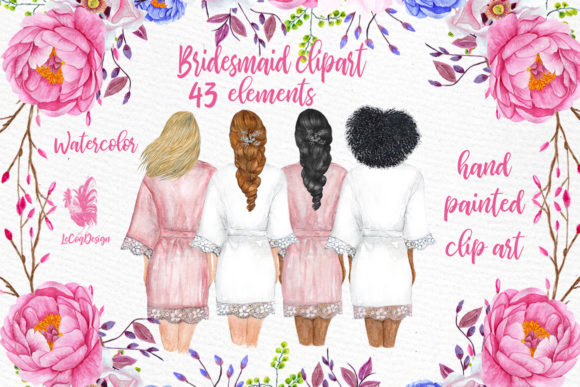
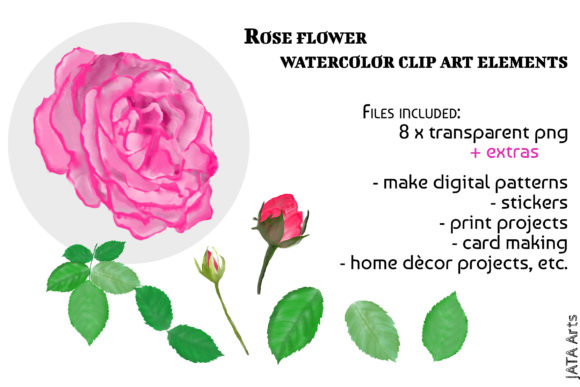
The Pink Rose Clipart Bouquet Arrangements evoke a warm, romantic mood that feels both modern and timeless. Their delicate lines and pastel tones make them ideal for niches like wedding planning, self-care, floral design, or even beauty and skincare. The design doesn’t shout; instead, it invites the reader in with a sense of grace and intentionality. This subtle charm supports content that needs to feel approachable and trustworthy while still maintaining an artistic edge.
From a visual communication standpoint, these bouquets add a touch of sophistication. They work well as background elements or standalone visuals, depending on how you layer them into your content. For those focused on brand identity, they offer a consistent look across various platforms—from website headers to newsletter banners—without clashing with more professional or minimalist styles.
Real Publishing Use Cases
These illustrations are incredibly versatile when it comes to real-world publishing workflows. Here’s how they’ve performed across different use cases in my experience:
- Blog Featured Images: When paired with bold headlines about spring trends or floral arrangements, the clipart adds just the right amount of whimsy to stand out in search results and social feeds.
- Pinterest Graphics: The soft pink hues and elegant shapes are highly pin-worthy, especially for DIY, fashion, or home decor content. They help increase click-through potential by creating a cohesive aesthetic that Pinterest users love.
- Newsletter Headers: Adding a rose illustration to a monthly newsletter banner gives it a polished, seasonal feel—especially useful for holiday greetings or product launches in women-focused niches.
- Digital Guides and Lead Magnets: Whether it's a printable flower-arranging tutorial or a downloadable eBook on mindfulness, these illustrations enhance the perceived value of the resource and support stronger visual hierarchy.
- Canva Templates: These clipart sets integrate seamlessly into Canva templates, allowing content creators to quickly build professional-looking designs for Instagram posts, Facebook ads, or YouTube thumbnails.
Supporting Content Performance
Using the Pink Rose Clipart Bouquet Arrangements strategically can significantly boost content performance. For starters, they create a stronger first impression due to their eye-catching yet refined appearance. In a crowded feed, this can mean the difference between a scroll and a stop.
When applied to article headers or hero images, the roses help establish better visual hierarchy by guiding the viewer’s attention toward key text areas. They also contribute to improved category recognition—readers who see a pink rose theme will naturally associate it with topics like love, beauty, or nature, making your site easier to navigate and understand at a glance.
Moreover, the consistency of these illustrations across multiple content formats helps reinforce a stronger visual identity. That’s crucial for affiliate marketers and creative entrepreneurs who want to maintain a professional look in everything from social media graphics to digital download products.
Where These Illustrations Shine
Here are the top spots where I recommend using the Pink Rose Clipart Bouquet Arrangements to maximize their impact:
- Hero Images: Pair them with light backgrounds and minimal text for a calming homepage layout.
- Article Thumbnails: On platforms like Medium or WordPress, these illustrations help your posts stand out in grids and archives.
- Pinterest Pins: As mentioned earlier, their aesthetic appeal is perfect for driving engagement and saving rates.
- Content Upgrades: Add a bouquet to a worksheet or lead magnet PDF to make it feel like a premium digital product.
- Printable Design Elements: Ideal for printables such as birthday cards, thank-you notes, or seasonal calendars.
- Social Media Previews: Use them in preview images for podcast episodes or video content related to wellness, aesthetics, or lifestyle.
Where Caution Is Needed
While these illustrations are undeniably charming, there are scenarios where they may not be the best fit. Avoid using them in:
- Small Mobile Thumbnails: The intricate details might get lost or appear blurry when scaled down.
- Text-Heavy Blog Images: Too many roses could distract from the message if the image contains a lot of copy.
- Low-Contrast Backgrounds: Make sure they’re layered over colors that allow them to pop and remain legible.
- BUSY Layouts: If your page already has a lot going on, these decorative illustrations could become visual noise rather than enhancement.
- Serious Professional Niches: While they can work in some corporate contexts (like luxury branding), they may not suit finance, law, or B2B content that requires a stricter visual tone.
Design Best Practices for Publishers
Before integrating these illustrations into your workflow, consider the following practical tips to ensure they perform well in every context:
- Test on Desktop and Mobile: Confirm that the design looks great across all screen sizes and resolutions.
- Check Thumbnail Quality: Zoom in to see how they render as previews—especially important for SEO-driven content marketing.
- Preview Inside Real Blog Layouts: See how they interact with fonts, spacing, and other design assets in your actual site template.
- Layer With Headline Text: Try combining the clipart with different headline styles—serif, sans serif, script, and display—to find the most harmonious pairing.
- Review Contrast and Readability: Don’t let the flowers overpower the message. Ensure that any overlaid text remains clear and easy to read.
- Try in Black and White: Some readers may view your content in grayscale. Test the illustration in monochrome to preserve its visual impact.
- Optimize File Size: Even beautiful illustrations need to load quickly. Compress the files appropriately without sacrificing quality for optimal web performance.
- Confirm Commercial Licensing: Always double-check the license terms before using them on monetized websites, affiliate pages, or paid content products. Many free assets come with restrictions, so using them in the right legal framework is essential.
Branding and Editorial Consistency
For publishers building a cohesive brand identity, the Pink Rose Clipart Bouquet Arrangements provide a reliable foundation. Their uniform style and color palette make them suitable for repeated use across different sections of your site or in media kits provided to sponsors and partners. This consistency builds reader trust and makes your content feel more curated and professional.
I’ve found that when used in editorial design—like magazine-style blog layouts or themed content hubs—they help unify disparate articles under a shared visual language. This is particularly effective for niche sites focusing on romance, fashion, or interior design, where aesthetics play a big role in user experience.
Final Thoughts for Creative Entrepreneurs
If you're looking to inject a touch of femininity and creativity into your content publishing toolkit, the Pink Rose Clipart Bouquet Arrangements are a solid choice. They’re not just pretty—they serve a functional purpose in improving visual hierarchy, supporting brand identity, and enhancing the overall polish of your content pages.
Whether you're designing a new blog post header, preparing a set of social media graphics, or building a digital guide for your audience, these illustrations offer flexibility and charm. Just remember to balance their presence with readability and purpose, and you’ll have a powerful asset in your editorial and web design workflow.
In short, these aren’t just clipart—they’re part of a thoughtful graphic design asset strategy that helps your content stand out, resonate, and convert in today’s competitive digital landscape.