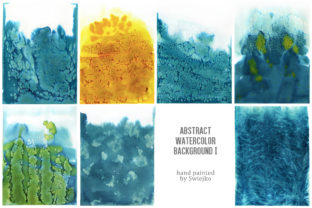
Waterclor Background, Abstract Texture
The Waterclor Background, Abstract Texture is a versatile graphic design asset that brings a modern and artistic touch to editorial design and web design projects. As a digital publisher, I’ve found it to be an excellent addition to my creative toolkit, especially when working on content marketing campaigns, blog graphics, and social media graphics.
First Impressions and Editorial Mood
Upon first glance, the Waterclor Background, Abstract Texture exudes a sense of sophistication and creativity. Its abstract patterns and subtle color gradients create a visual mood that feels both artistic and professional. This makes it ideal for content niches that lean toward lifestyle, art, or educational themes. It doesn’t feel overly playful or too serious—it sits in a balanced space that can work across multiple industries.
Real Publishing Use Cases
This design asset shines in several real-world publishing scenarios. For instance, when creating featured images for blog posts, the Waterclor Background, Abstract Texture adds depth without overwhelming the text. It’s also great for Pinterest pins, where a visually engaging background can make a post stand out in a crowded feed. In editorial layouts, it serves as a strong yet subtle backdrop that enhances the overall aesthetic without distracting from the content.
- Blog featured images
- Pinterest graphics
- Article headers
- Website banners
- Newsletter graphics
- Lead magnets
- Digital guides
- EBook covers
- Social media posts
- Canva templates
Supporting Content Performance
Using the Waterclor Background, Abstract Texture can significantly boost content performance. A stronger first impression helps capture attention, which is crucial for click-through rates. It also supports clearer visual hierarchy by providing a consistent backdrop that complements headlines and body text. When used effectively, it strengthens brand identity and improves reader trust through a more polished and professional appearance.
Best Places to Use It
This design asset works best in areas where visual appeal is key. Hero images, article thumbnails, and Pinterest pins benefit from its artistic flair. It also enhances blog graphics, editorial accents, and downloadable resources like worksheets or printables. For newsletter headers and social media previews, it adds a layer of creativity that aligns with modern design trends.
When to Use It Carefully
While the Waterclor Background, Abstract Texture is highly adaptable, there are situations where it may not be the best choice. On small mobile thumbnails, the details might get lost, making it less effective. In text-heavy blog images, it could interfere with readability. Low-contrast backgrounds or busy layouts might also dilute its impact. Additionally, it may not fit well in serious professional niches or corporate websites that require a minimal visual system.
Publisher Notes and Practical Tips
Before finalizing the use of the Waterclor Background, Abstract Texture, I recommend testing it on both desktop and mobile screens. Check how it looks as a thumbnail and preview it within a real blog layout. Ensure that it pairs well with headline text and maintains good contrast and readability. Try it in black and white to see how it holds up, and place it beside different font styles—serif, sans serif, script, handwritten, and display fonts—to evaluate its versatility.
Also, review the file size for web performance and compress images properly before uploading. Confirm that the commercial license allows use on monetized websites, affiliate pages, or paid content products. This ensures that you’re fully compliant and avoid any legal issues down the line.
Final Thoughts
The Waterclor Background, Abstract Texture is a valuable addition to any digital publisher’s library of design assets. Whether you're working on a blog, a digital guide, or a lead magnet, this graphic design asset can elevate your content visuals and support a more cohesive brand identity. Its flexibility and artistic appeal make it suitable for a wide range of editorial and web design needs, especially when used thoughtfully and strategically.