White Wild Flowers: A Fresh Take on Branding for Local Businesses
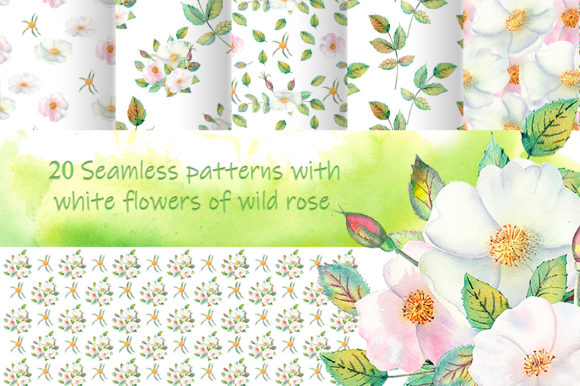
As a brand designer with years of experience working with small and local businesses, I often find myself drawn to design assets that feel authentic and evoke emotion. White Wild Flowers is one such graphic element that stands out for its soft, organic charm. Whether it’s a bakery looking to create an inviting product label or a skincare brand aiming for elegant packaging accents, this design asset offers a versatile foundation to build upon.
The Mood and Personality of White Wild Flowers
At first glance, White Wild Flowers exudes a sense of simplicity and purity. The delicate lines and natural arrangement suggest a brand personality that is friendly, approachable, and slightly whimsical. It feels like something you'd see in a countryside boutique or a homegrown flower shop—clean, fresh, and full of life.
This design isn’t loud or attention-seeking. Instead, it creates a gentle visual rhythm that works well in spaces where the goal is to inspire calm, trust, and authenticity. It's particularly fitting for brands in the food, floral, wellness, and handmade sectors, where a connection to nature and craftsmanship is key.
What Type of Business Can Benefit?
- Boutique stores can use it to add subtle elegance to signage or hang tags.
- Skincare and beauty brands might incorporate it into product labels to enhance their organic image.
- Local bakeries or coffee shops could feature it in menu graphics or promotional flyers for a warm, inviting look.
- Candle or soap artisans will find it ideal for creating decorative accents on packaging or thank-you cards.
In short, any business that wants to communicate a sense of care, quality, and natural beauty can benefit from using White Wild Flowers as part of their branding toolkit.
Real-World Applications in Brand Design
One of the most valuable aspects of White Wild Flowers is how easily it integrates into various design elements without overwhelming them. Here are some practical ways I’ve seen it used effectively in local business branding:
Product Labels and Packaging Accents
For a small artisanal soap company, I recently used White Wild Flowers as a background accent on product labels. It added a layer of sophistication while keeping the focus on the product name and ingredients. In another project for a homemade jam brand, the same design was subtly placed along the edges of glass jars, enhancing shelf appeal without distracting from the core message.
Hero Graphics and Social Media Banners
When designing social media content for a local florist, I layered White Wild Flowers behind the hero text in Instagram banners and Facebook posts. The softness of the design helped balance bold typography and created a cohesive aesthetic across all platforms. It also worked well as a background in email newsletters, making the content feel more personal and less corporate.
Printable Inserts and Seasonal Campaigns
During the holiday season, many small businesses turn to seasonal packaging to stand out. White Wild Flowers was a perfect fit for a candle brand’s gift box inserts and wrapping paper. Its timeless yet fresh look gave the impression of a thoughtful, handcrafted gift. For a children’s clothing line, the design was adapted into printable gift tags, adding a touch of playfulness and femininity.
Supporting Stronger Brand Presentation
Graphic design assets like White Wild Flowers offer more than just visual appeal—they help strengthen the overall brand presentation. Here are several ways this design contributes to effective branding:
- Stronger first impression: The soft, flowing lines of White Wild Flowers immediately convey a sense of care and quality.
- Better product recognition: When consistently used across product labels and packaging, it helps customers identify your brand at a glance.
- Clearer visual hierarchy: As a supporting graphic, it helps guide the viewer’s eye toward key information without competing for attention.
- More consistent brand identity: Repeating the same motif across different materials ensures a unified look and feel.
- Improved customer trust: Natural, uncluttered designs tend to feel more genuine and trustworthy to consumers.
- Professional branding at scale: From physical product mockups to digital marketing visuals, this asset maintains a professional tone across formats.
These benefits make White Wild Flowers not just a pretty illustration, but a strategic choice for businesses serious about their brand presence.
Where This Design Asset Works Best
There are specific areas where White Wild Flowers shines brightest in real-world branding applications:
- Product labels – Especially those with minimal text and a need for visual warmth.
- Packaging accents – Perfect for adding texture and interest to boxes, bags, or jars.
- Hero graphics – Ideal for website banners or social media headers where a soft, organic backdrop is desired.
- Decorative brand elements – Great for use in editorial design, such as blog headers or printable guides.
- Promotional banners – Adds a unique touch when used sparingly alongside strong headlines.
- Seasonal campaign visuals – Particularly effective during spring or summer campaigns where a fresh, blooming theme is appropriate.
Its adaptability means it can be used in both digital and print formats, making it a solid choice for a wide range of creative projects.
Use It Carefully in These Situations
While White Wild Flowers is highly versatile, there are scenarios where it may not perform optimally. As a designer, I always recommend testing before finalizing usage in these cases:
- Formal corporate branding: If the brand voice is professional and minimalist, this design might appear too casual or decorative.
- Very small labels: On tiny stickers or tags, the detail in White Wild Flowers could become lost or cluttered.
- Crowded product packaging: Too much going on in the layout can cause the design to get buried under other elements.
- Ingredient-heavy layouts: Use caution if placing it near important nutritional or ingredient information, as it might reduce readability.
- Legal information areas: Never let decorative elements interfere with necessary disclaimers or terms.
- Luxury minimalist brands: These typically prefer clean, high-contrast visuals where this asset might not align.
Always consider the context and purpose of each design before incorporating it. Less is more when clarity is essential.
Designer Notes for Practical Use
Before integrating White Wild Flowers into a client’s branding package, I follow a few key steps to ensure it serves the brand effectively:
- Test it on real packaging mockups: See how it looks on different materials and sizes.
- Check black and white usage: Confirm it still conveys the intended mood without color.
- Preview it on small labels: Ensure it remains legible and visually balanced even at reduced scale.
- Test it with brand colors: Overlay the design on your primary brand palette to check contrast and harmony.
- Compare with competitor packaging: Make sure it differentiates your brand rather than blending in.
- Check print quality: Always verify how the design looks when printed, especially on textured surfaces.
- Review PNG transparency: Important for overlaying on different backgrounds in web or print design.
- Inspect SVG or vector editability: If available, vectors allow for easier customization and scaling.
- Test beside different fonts: Try it with serif, sans serif, script, handwritten, and display styles to find the best match.
- Confirm commercial licensing: Essential before using it for client work, branding, or product sales.
These steps help avoid common pitfalls and ensure the design supports the brand’s goals in both aesthetics and functionality.
Why Choose White Wild Flowers for Small Business Branding?
Choosing the right design asset is crucial for small business branding. White Wild Flowers offers a unique blend of simplicity and elegance that resonates with today’s consumers who value authenticity and natural aesthetics. It can elevate everything from a basic product label to a full-scale promotional campaign, helping your business stand out in a crowded market.
Whether you're designing for a boutique store, a handmade product line, or a local café, this asset adds a layer of visual storytelling that connects emotionally with your audience. And because it's adaptable to both digital and print mediums, it becomes a powerful tool in your branding arsenal.
Remember, the best design assets aren't just beautiful—they’re functional, meaningful, and aligned with your brand’s voice. White Wild Flowers checks all these boxes and more for local and small business owners ready to take their branding to the next level.